You will read
ToggleWhat is a Grease Trap?
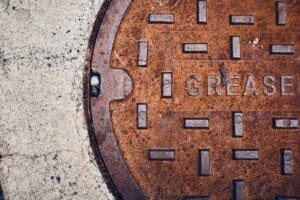
Grease traps are a plumbing device that prevents grease from being disposed of into the municipality’s sewer system. Fats, oils, and grease are also known as “FOGs.” FOGs are difficult to deal with because they stick on the inside of pipes and accumulate in growth over time.
Grease traps work by separating water and FOGs once they enter the trap. Grease floats to the top and solids sink to the bottom. Clean water exits on the other end of the trap through a designated opening.
Understanding Grease Traps and Grease Interceptors
While grease traps and grease interceptors share the same function, they do have some differences. Here is how grease traps and grease interceptors differ from each other:
Grease Traps
- Smaller
- Only have a flow rate of 50 gallons per minute
- Fill up faster
- Needs to be cleaned more frequently
- Better for smaller commercial applications like coffee shops and sandwich shops
Grease Interceptors
- Larger
- Can well exceed a flow rate of 50 gallons per minute
- Made from concrete
- Doesn’t have to be cleaned as frequently
- Takes longer to fillBetter for larger commercial applications like schools and malls
Indications That Your Grease Trap Needs a Cleaning
Drain Blockages
FOG buildup can cause large masses in your drains. With enough FOG accumulation, drain blockages can lead to other issues like slow drainage, water backups, and even expensive repairs or replacements in the future.
Awful Smells
Notice the presence of unpleasant odors in your commercial kitchen. Grease traps full of FOGs can emit awful smells permeating through your kitchen. If you have an open kitchen, there’s a chance patrons can also smell these foul odors.
Insect Infestations
An unkept and dirty grease trap can attract swarms of insects such as flies, ants, and cockroaches. Signs of an insect infestation around your grease trap mean it is past due for a cleaning.
Consequences of Skipping Grease Trap Cleaning
Corrosion
The combination of rotting food and water makes sulfuric acid, which causes corrosion. Corroded tanks often lead to leaks and the need for a full replacement.
Sewer Overflow
Full grease traps can lead to excess grease escaping into the city’s sewer lines. This can cause drain backups in the area, inconveniencing surrounding properties. The city may also fine you for causing the backup.
Additional Cleaning Costs
Some companies may charge extra for cleaning if the grease trap is too full. Avoid the extra fees and clean your commercial kitchen’s grease trap frequently.Pollution
FOGs are also a pollutant. FOGs in the water supply can lead out into streams and rivers, which can damage the environment and wildlife.City Fines
Grease traps are inspected and mandated by the city. Failure to clean the grease trap and have it up to proper standards can result in hefty fines from the city.Loss of Business
Once a grease trap gets to a certain point, smells start to get out of control. Those putrid smells could very well be noticed by customers, making for an awful dining experience and a loss of business.The Grease Trap Cleaning Process
-
Inspection
Inspection and assessment of the grease trap and the level of FOG presence. This step helps identify potential issues. -
Pumping
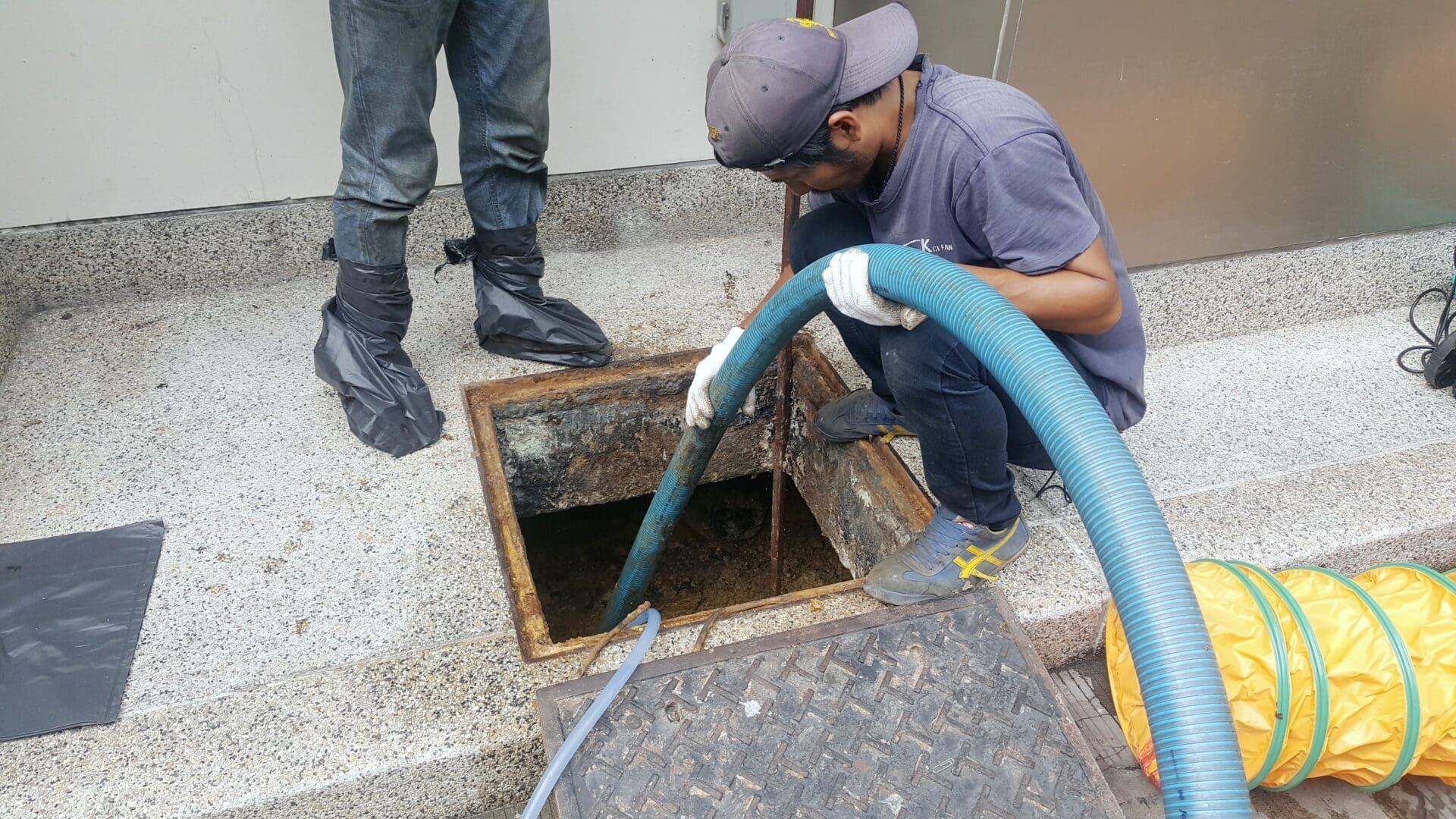
Accumulated grease is then pumped out of the grease trap. This allows for the continuation of regular operations to be resumed. -
Scraping and Cleaning
The interior of the grease trap is then scraped and cleaned to remove any leftover residuals or solids. -
Disposal
FOGs are disposed of with environmental and local regulations in mind.
Benefits of Regular Grease Trap Cleaning
Prevents Clogging and Backups
Keeping FOG buildup at a minimum will help prevent clogging and backups. Regular grease trap cleaning prevents these issues and keeps operations running smoothly.
Improves Kitchen Sanitation
Excess amount of FOGs increases the risk of overflow and insect infestations. Regular grease trap cleaning eliminates the worry of overflow and the presence of insects, improving kitchen sanitation.
Maintains Compliance with Local Regulations
Clogging and overflow in your grease trap can lead to environmental issues, health complications, and a failure to meet local regulations. Regular grease trap cleaning and maintenance keeps the environment safe and makes sure the grease trap is up to local standards.
Saves Money in the Future
Regular grease trap cleaning and maintenance keep your grease trap in great working condition. Unclean or overflowing grease traps can lead to numerous problems like costly repairs and various fines from the city. Avoid those problems and save money at the same time by making regular grease trap cleaning a priority.
How to Maintain Your Grease Trap
Aside from regular cleaning, maintaining your commercial kitchen’s grease trap is achievable by being mindful of what is going down the drain. Small amounts of FOGs and other food particles should be placed into a garbage or holding tank. For the disposal of large amounts of FOGs, follow proper procedures. Additionally, make sure all plates are free of FOGs before they enter the sink.
How Often Does a Grease Trap Need to Be Cleaned?
Effortlessly Manage Your Used Cooking Oil and Grease Trap with Our All-in-One Solution!
Looking for comprehensive grease trap services in Arizona? Andrew’s Plumbing has your all-in-one solution. Contact us today for all of your grease trap needs and keep your business running efficiently with no issues. Andrew’s Plumbing also offers many other plumbing services like hydro-jetting.